Key elements every web design company includes for better user engagement
Discovering Creative Fads in Web Design for Modern Companies
The landscape of web design is consistently progressing, mirroring the vibrant requirements of contemporary companies. Current patterns highlight a preference for minimalism, bold typography, and engaging interactivity. Firms significantly focus on user experience with mobile-first principles and personalized web content. Furthermore, a concentrate on sustainability is getting traction. Recognizing these patterns is crucial for organizations intending to stand out in a crowded industry. What effects do these changes hold for the future of digital interaction?
Embracing Vibrant Typography
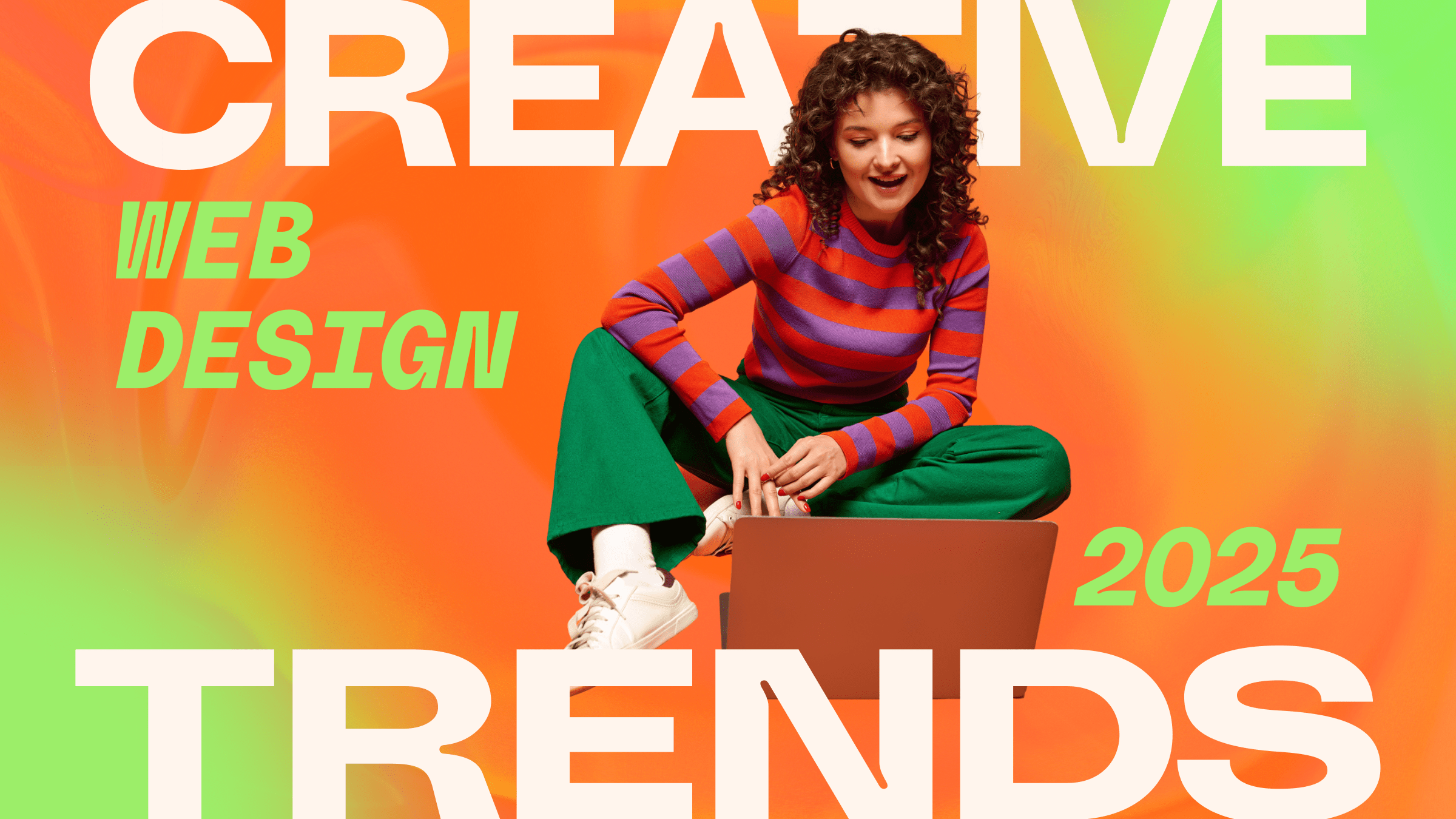
Strong typography has emerged as a specifying element in modern web design, capturing focus and sharing messages with striking clearness. This trend focuses on aesthetically impactful text that boosts user interaction and brand identity. Designers typically utilize large typefaces and distinct fonts to create a power structure, directing viewers through material seamlessly.
The tactical usage of strong typography permits for reliable narration, enabling brands to interact their worths succinctly. It offers not just aesthetic purposes but likewise functional ones, as it boosts readability across tools and display sizes.
As sites contend for user interest, bold typography sticks out in a saturated electronic landscape. Its flexibility allows developers to try out contrasting formats and shades, better magnifying its efficiency. Inevitably, embracing strong typography stands for a shift in the direction of more meaningful and communicative web design, fostering a deeper connection between brand names and their target markets.
The Rise of Minimalist Style
As digital atmospheres end up being progressively messy, the increase of minimal design supplies a revitalizing option that focuses on simpleness and performance. This layout viewpoint remove unnecessary elements, permitting web content to take spotlight. By concentrating on tidy lines, enough white room, and a limited color combination, minimalist style improves user experience and boosts navigation.
Services adopting this trend purpose to convey their brand message plainly and successfully, promoting a sense of calm and clearness. The absence of diversions aids users concentrate on crucial information, bring about boosted interaction and conversion rates. In addition, minimalist design straightens well with mobile-first strategies, making sure that sites continue to be easy to use and available throughout various tools.
Ultimately, the surge of minimal style reflects a more comprehensive change towards focusing on user needs and preferences, making it an effective tool for contemporary companies looking to make an enduring influence in the digital landscape.
Immersive Animations and Interactivity
While lots of web developers embrace minimalist visual appeals, an additional engaging trend getting grip is using immersive animations and interactivity. This strategy enhances user involvement by developing fascinating experiences that draw site visitors into the web content. Developers use dynamic elements such as animated backgrounds, scrolling results, and interactive infographics to communicate complex ideas in an available way.
These animations not just offer visual interest yet also overview users via the navigating procedure, making communications a lot more intuitive. Float impacts and animated shifts can urge customers to check out further, leading to enhanced time spent on the site.
In addition, this pattern aligns with the wider movement towards narration in web design, where animations function as narrative tools that communicate brand messages effectively. By integrating immersive animations and interactivity, services can differentiate themselves in a jampacked online landscape, ultimately boosting user complete satisfaction and brand commitment.
Mobile-First Style Concepts
Mobile-first style principles highlight focusing on user experience by making sure internet sites work perfectly on smaller displays. This approach includes receptive format techniques that adjust to various tool sizes while keeping aesthetic honesty. Furthermore, it concentrates on touchscreen navigation layout, boosting usability for mobile customers.
Prioritizing User Experience
Just how can developers effectively focus on user experience in a progressively mobile-centric world? Emphasizing mobile-first style concepts is important, as individuals largely involve with internet sites with mobile gadgets. This approach motivates designers to improve content, guaranteeing it is conveniently accessible and accessible on smaller sized displays. Trick techniques include streamlining navigating, minimizing load times, and utilizing touch-friendly elements that improve interactivity. In addition, focusing on understandable typography and intuitive layouts can greatly improve user complete satisfaction. Developers must continually gather user responses to refine their strategies, adjusting to developing user requirements and preferences. By concentrating on these elements, companies can create an engaging digital experience that fosters loyalty and drives conversions, ultimately lining up with the expectations these days's mobile individuals.
Receptive Format Techniques
Developers accept responsive format strategies to develop flexible and flexible web experiences that deal with different screen sizes. This method focuses on mobile-first layout concepts, making certain peak performance on smaller gadgets before scaling up for larger displays. By using fluid grids, flexible photos, and media inquiries, designers can preserve a cohesive visual identity across all platforms. This technique not only enhances user engagement but additionally improves online search engine positions, as mobile-friendly websites are favored by search formulas. In addition, receptive layouts enable businesses to reach a more comprehensive audience, accommodating users on desktops, smart devices, and tablets alike. Generally, implementing these methods is vital for modern-day web design, making sure that services remain competitive in an ever-evolving electronic landscape.
Touchscreen Navigation Style
With the rise of mobile phones, touchscreen navigation has come to be a fundamental element of web design. Developers are progressively taking on mobile-first concepts to enhance user experience and interaction. Web browse around this web-site Design services. Effective touchscreen navigation prioritizes bigger switches and instinctive motions, enabling individuals to interact easily with material. This technique minimizes disappointment and encourages expedition, as customers can browse seamlessly with their fingers. Furthermore, integrating swipe gestures and faucet functionality accommodates the all-natural actions of mobile users. Responses devices, such as aesthetic cues and animations, improve usability even more by validating actions. As touchscreens control user communications, utilizing these style aspects not only lines up with modern assumptions but also fosters an extra enjoyable and available surfing experience for all customers
Customized User Experiences
What makes a customer feel really engaged on a website? The solution often copyrights on individualized user experiences. By tailoring material and navigation to private preferences, businesses can develop a significant connection with their target market. This customization can be achieved through numerous techniques, such as evaluating user behavior, using cookies, and supplying customized recommendations based on previous interactions.
Ecommerce systems that recommend products based on browsing history not just improve user experience yet additionally enhance conversion rates. Furthermore, integrating dynamic material that adjusts to the user's area or time of day can even more improve engagement.
Furthermore, tailored greetings or messages can make individuals feel valued and understood. As modern companies endeavor to stand apart in a competitive digital landscape, accepting customized user experiences ends up being crucial, promoting commitment and motivating repeat visits. Ultimately, this technique changes a typical web site into an interactive system that reverberates with its target market.
Sustainability in Web Design
As the digital landscape remains to develop, the relevance of sustainability in web design has gotten substantial attention. Designers are increasingly conscious of the ecological impact their productions can have, motivating a change in the direction of environmentally friendly methods (web design company). Sustainable web design concentrates on enhancing internet sites to reduce energy consumption and carbon impacts. Approaches consist of making use of minimalistic style principles, optimizing photos, and using effective coding methods to enhance loading rates
In addition, the selection of organizing companies plays a necessary function; numerous designers are currently opting for eco-friendly organizing solutions powered by sustainable energy. By focusing on availability and straightforward navigating, sustainable styles likewise deal with a wider target market, enhancing use. This mindful approach not just attract environmentally-minded consumers however likewise contributes to the general long life and effectiveness of web sites. Inevitably, sustainability in web design mirrors an expanding pattern in the direction of accountable digital practices that align with modern business values.
Regularly Asked Questions
Exactly How Can I Pick the Right Color System for My Website?
To choose the best color pattern for a website, one ought to think about the brand name's identification, here are the findings target market, and psychological effect. Making use of shade concept and screening mixes can enhance user experience and aesthetic allure significantly.
What Are the most effective Devices for Prototyping Website Design?
The ideal tools for prototyping website design consist of Figma, Lay out, Adobe XD, and InVision. These platforms use user-friendly interfaces, cooperation features, and considerable libraries, making them excellent for designers to create and refine their principles effectively.
How Do I Measure the Effectiveness of My Web Design?
To measure web design effectiveness, one need to assess user involvement metrics, conversion rates, and usability feedback (web design company). A/B screening and heatmaps can additionally offer insights right into user behavior, assisting essential modifications for enhanced performance and user experience
What Are Common Web Design Mistakes to Avoid?
Usual web design errors include chaotic designs, inadequate navigation, sluggish packing times, absence of mobile optimization, poor contrast, and ignoring user responses. Staying clear of these risks improves user experience and increases general performance of the website.
Just how Usually Should I Update My Web Site Design?
A web site design need to be updated every 2 to 3 years, or earlier if significant adjustments in branding or modern technology occur. Normal updates keep the site fresh, functional, and lined up with existing user expectations.
